The Case for Malaysia

Why Malaysia?

Discover what makes Malaysia one of the world's most compelling destinations for long-term living.

Malaysia in Six Reasons

World-Class Healthcare

International standards, modern facilities, and highly qualified doctors.

Tropical Climate

Year-round sunshine with no winters. Perfect outdoor living, tropical fruits, and consistent warm weather that suits active lifestyles.

Lower Cost of Living

High-quality dining, domestic help, transport, and housing at dramatically lower prices than North America or Europe.

International Education

Top international schools follow British, Canadian, or American curricula. Children attend on your Malaysia My Second Home (MM2H) visa with ease.

Muslim-Friendly Nation

Malaysia is a Muslim-majority country with a halal ecosystem, mosques everywhere, and Ramadan widely observed. Cultural alignment for many.

Gateway to Southeast Asia

Kuala Lumpur connects you to Bangkok, Bali, Singapore, and beyond. Easy weekend travel while maintaining your Malaysian base.

Facts About Malaysia

A practical overview to help you understand the country before you visit or commit.

Malaysia is a Southeast Asian country known for its multicultural society, modern urban infrastructure, and year-round tropical climate.
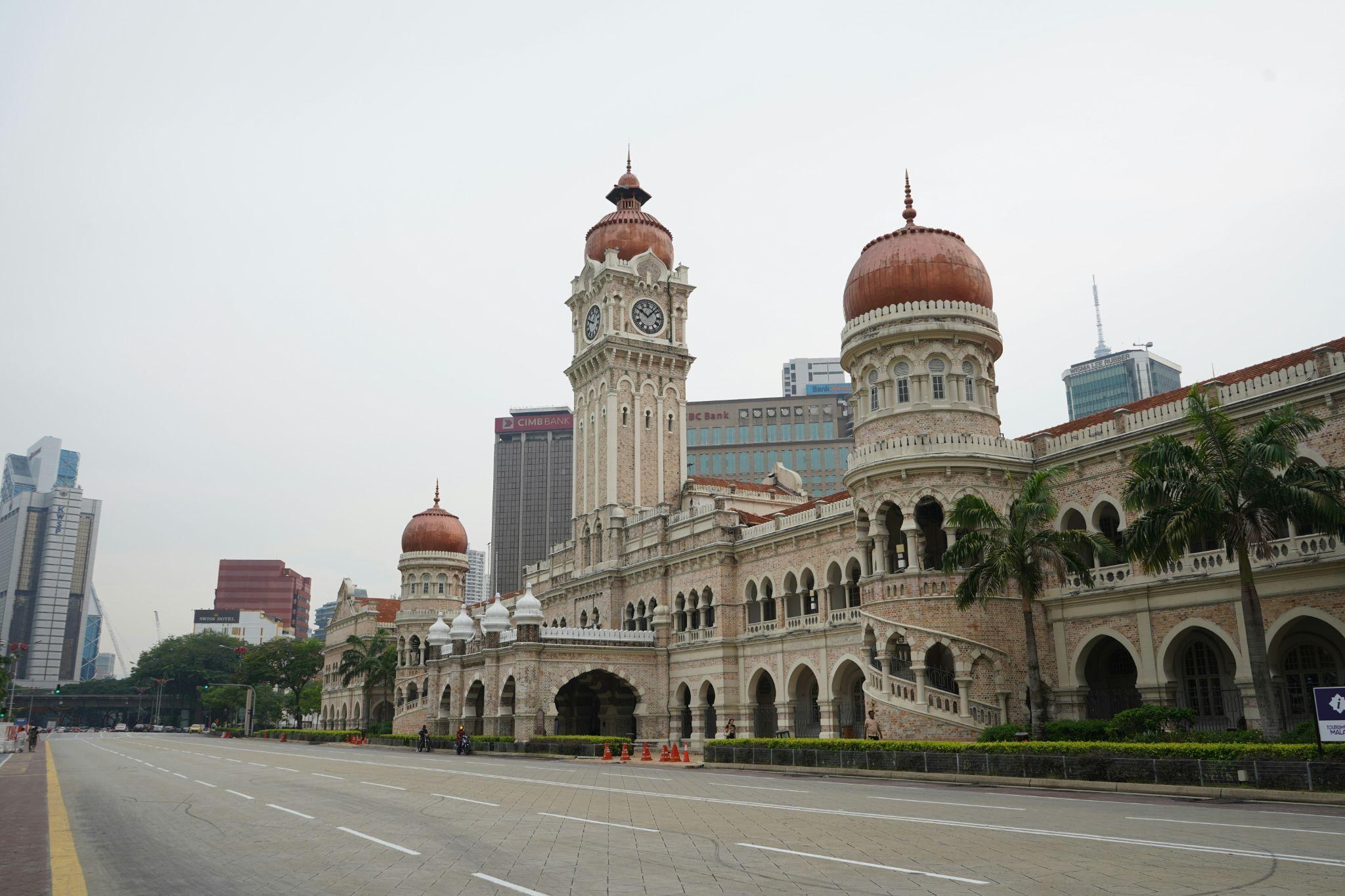
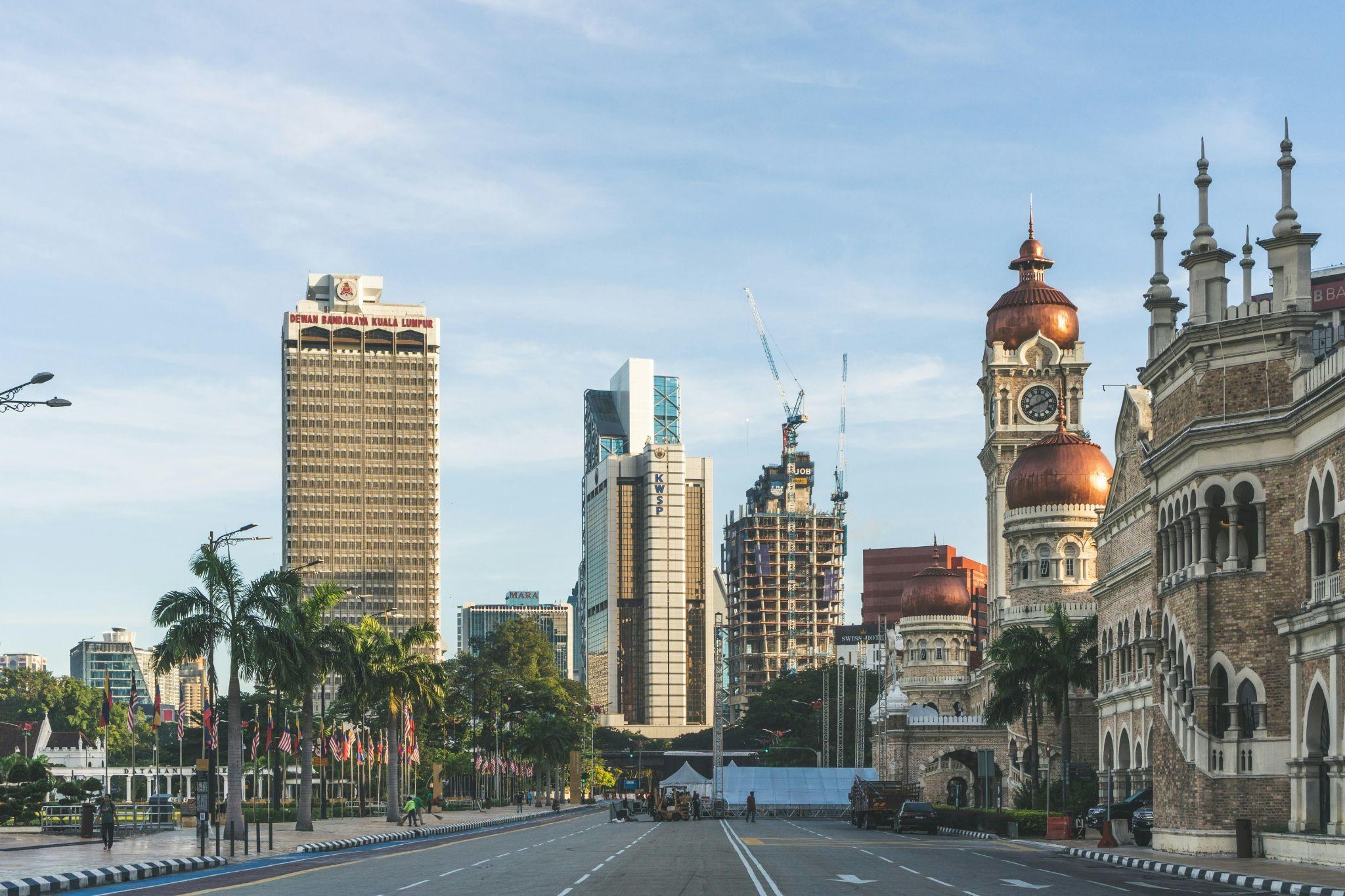
Sultan Abdul Samad Building, Kuala Lumpur

Location, Geography & Accessibility

Malaysia is located in Southeast Asia and is divided into two main regions:

  • Peninsular Malaysia - home to Kuala Lumpur, Penang, Johor, and Malacca
  • East Malaysia (Borneo) - known for rainforest landscapes and lower population density

The capital is Kuala Lumpur, the country's financial and commercial centre.

Accessibility from Canada

  • Major international airport: Kuala Lumpur International Airport (KLIA)
  • Well-connected through global hubs (Doha, Dubai, London, Tokyo, Singapore)
  • Approximately 18–22 hours total travel time from Toronto (with connections)
  • 12–13 hour time difference from Eastern Canada
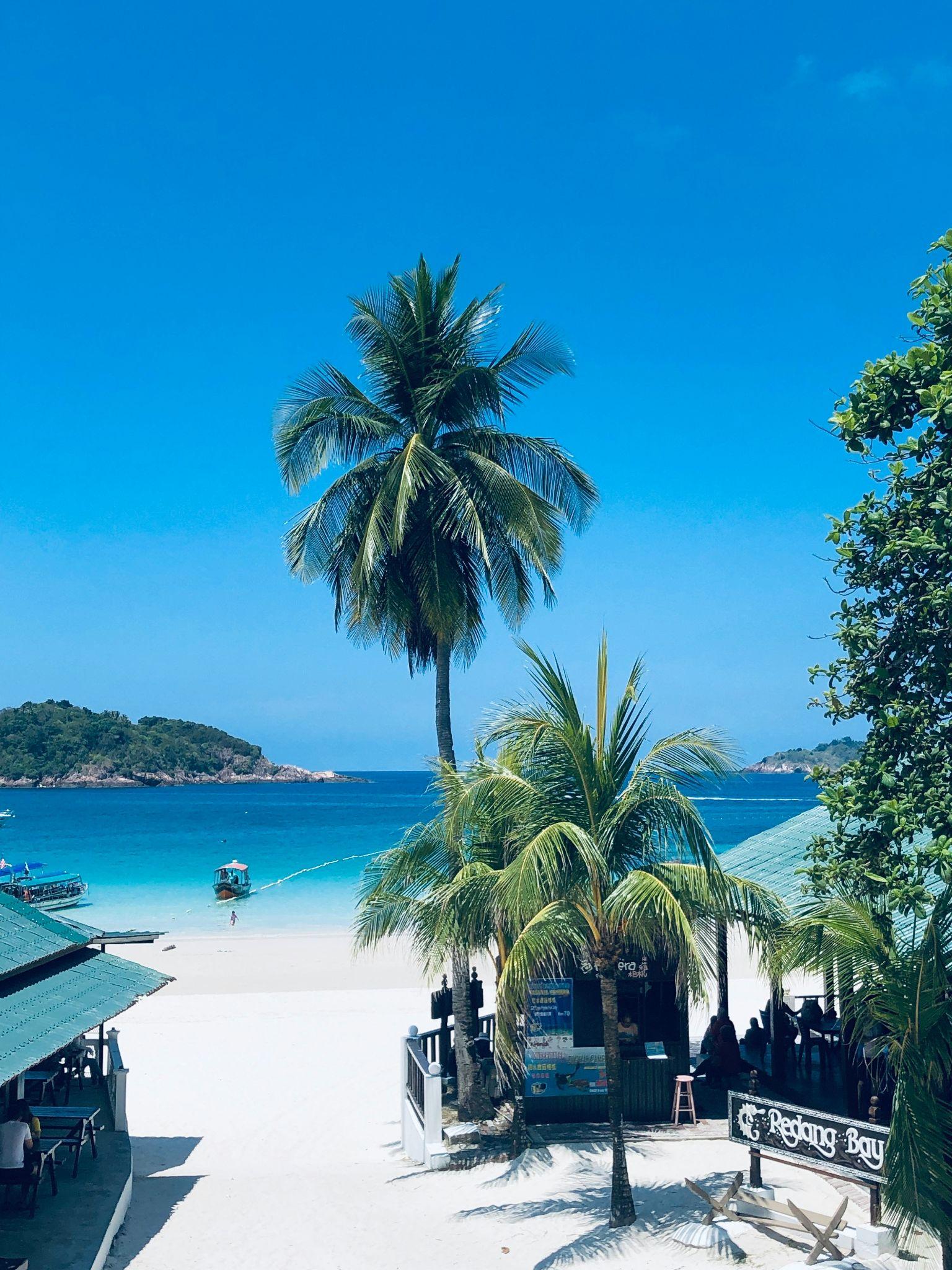
Redang Island, Malaysia

Coastal & Island Living

Malaysia offers extensive coastline along both the Strait of Malacca (west coast) and the South China Sea (east coast).

Notable coastal and island regions include:

  • Penang - Island living with urban amenities
  • Langkawi - Resort-style island environment
  • Malacca - Historic coastal city

Coastal areas offer sea views and waterfront living, a slower pace outside major cities, and tourism influence in certain districts.
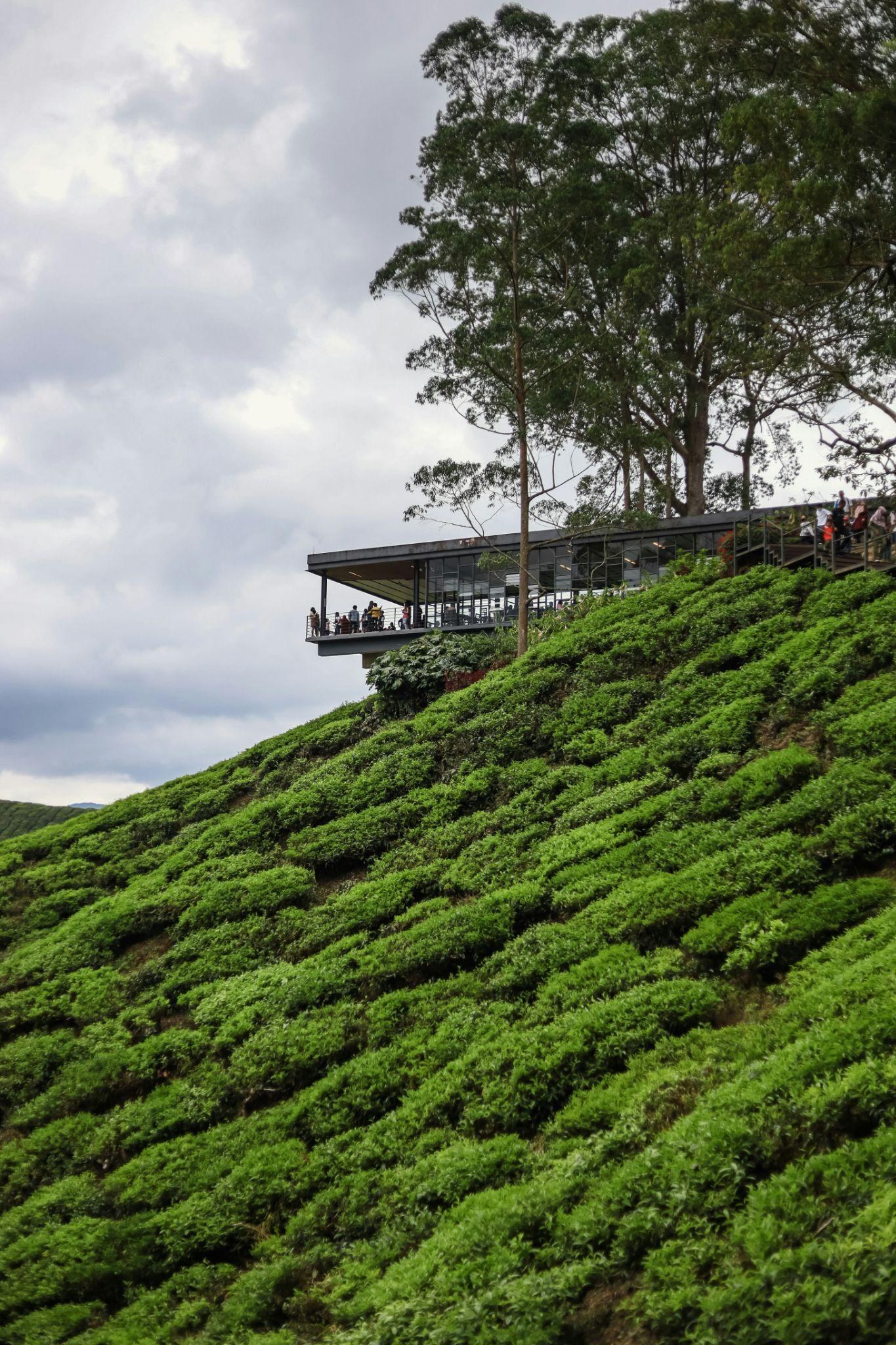
Tea plantation in the Highlands, Malaysia

Highlands & Cooler Climates

For those seeking relief from tropical heat, Malaysia has elevated regions such as the Highlands and Genting Highlands. These areas sit at higher elevation, offer cooler temperatures, and are less urbanised.

Borneo orangutan, East Malaysia

Rainforest & Natural Landscapes

Malaysia is home to some of the world's oldest tropical rainforests. Natural features include mountain ranges, national parks, marine parks, and island reserves.

Even within Kuala Lumpur, urban living is often surrounded by greenery and hillside developments. Nature is rarely far from residential areas.
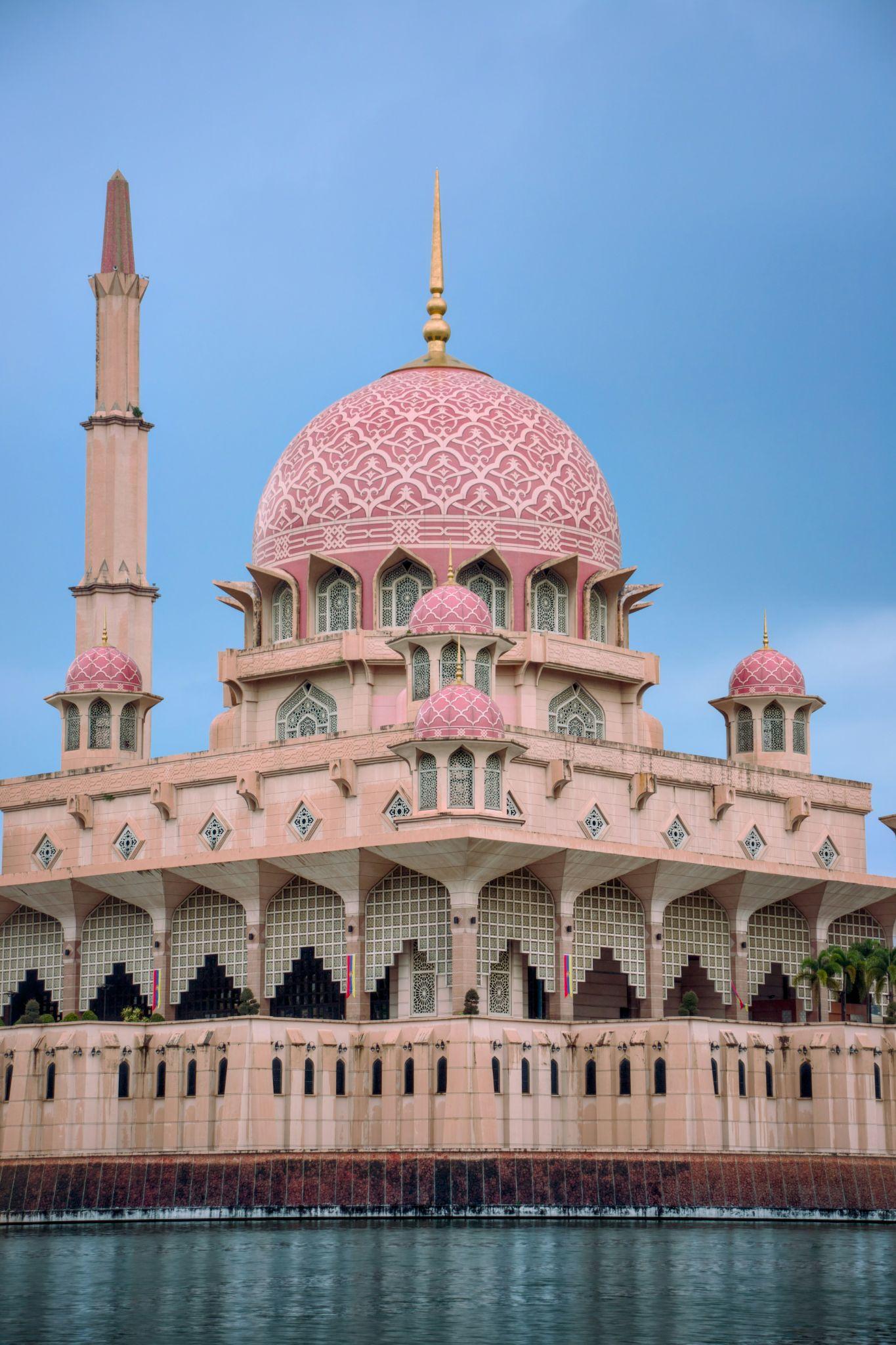
Putra Mosque, Putrajaya under tropical blue skies

Climate

  • Tropical climate year-round
  • Average daytime temperatures: 28–32°C
  • High humidity
  • Rainfall common but typically brief and intense
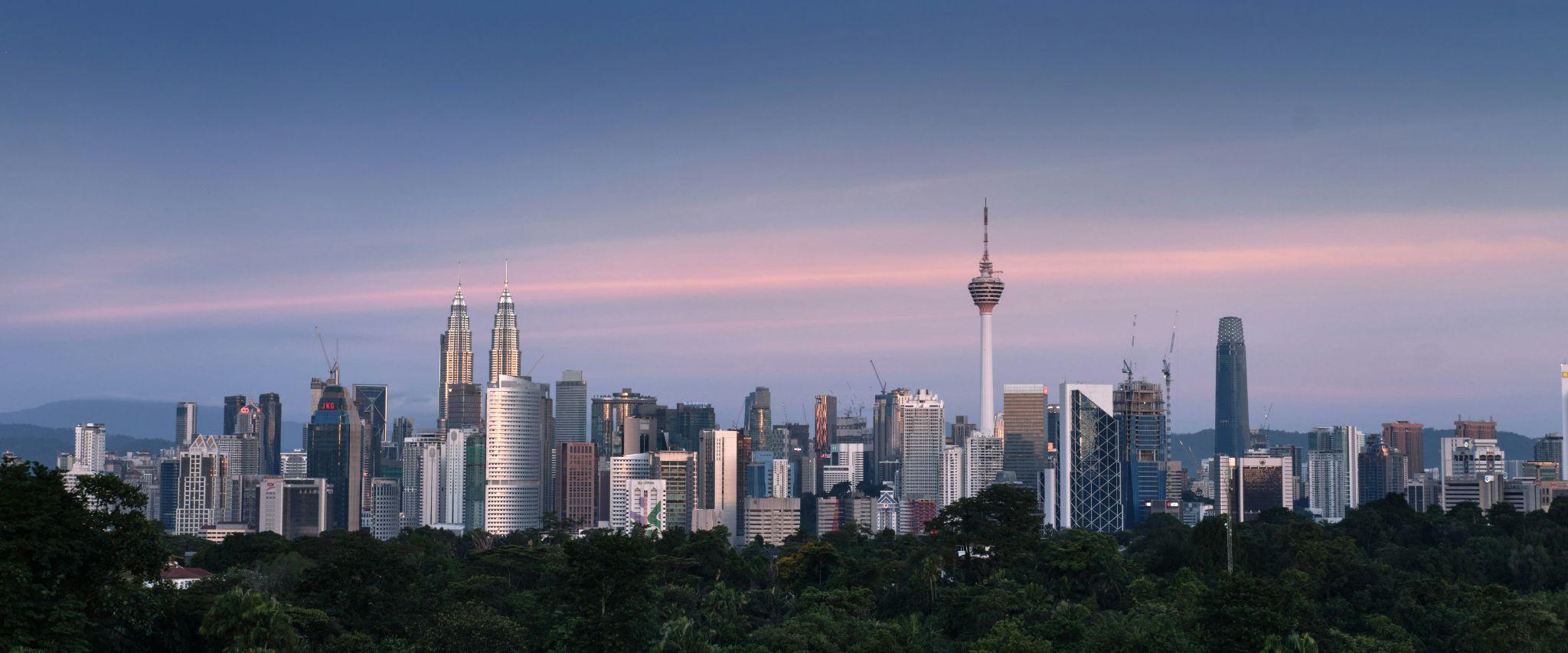
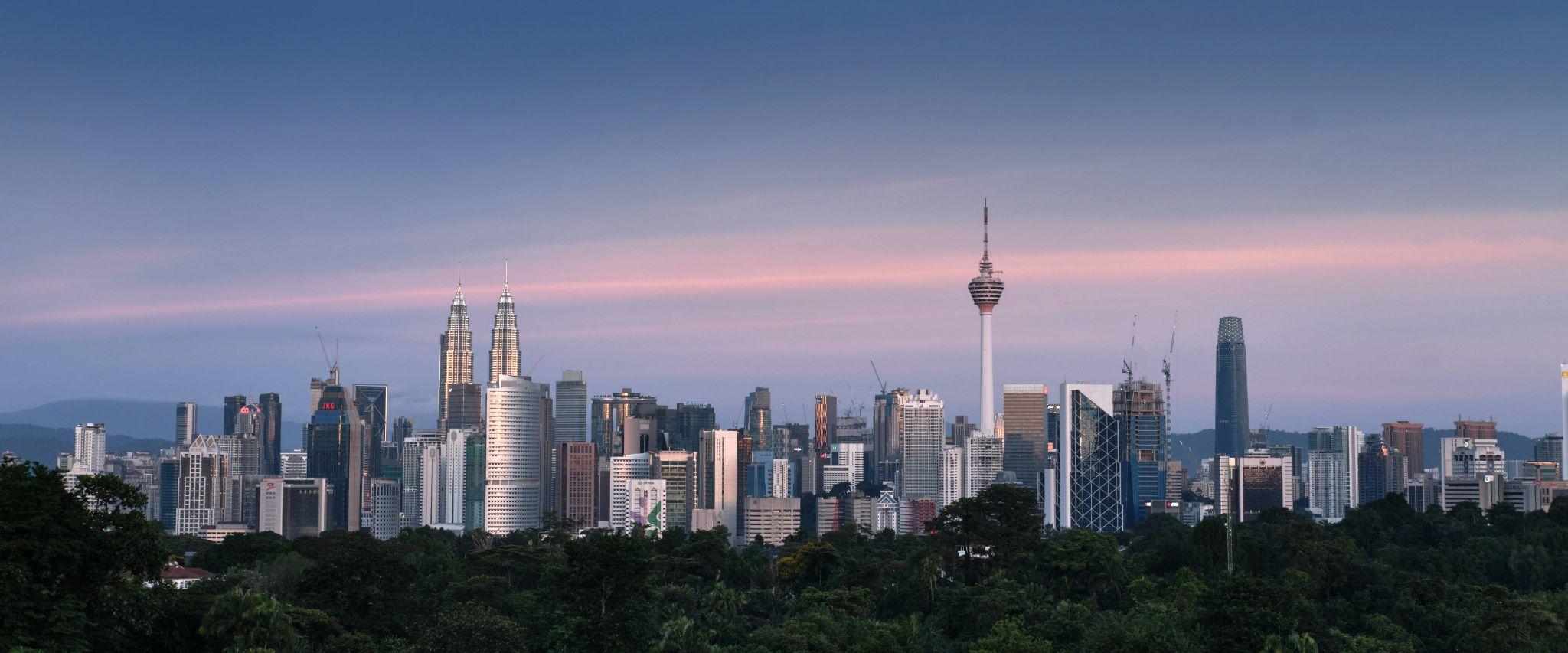
Kuala Lumpur city skyline at dusk

Urban Living & Infrastructure

Major urban centres such as Kuala Lumpur offer:

  • High-rise condominium living
  • English widely spoken
  • Modern shopping malls and grocery chains
  • Strong mobile and internet infrastructure
  • Ride-hailing services widely used

Urban Malaysia is modern and internationally connected.
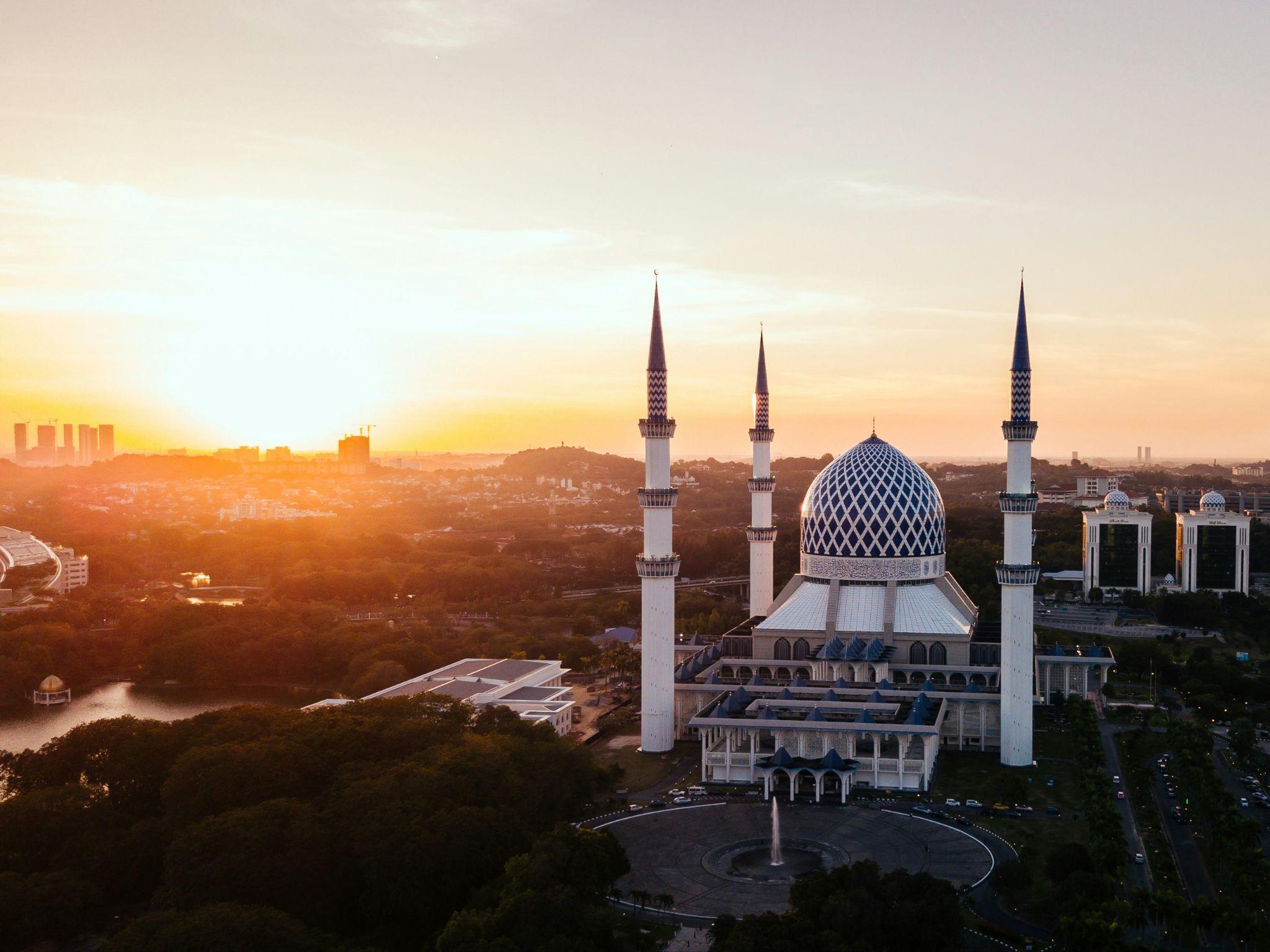
Shah Alam Mosque

Cultural & Religious Landscape

Malaysia is officially Muslim-majority, but culturally diverse. Population includes Malay, Chinese, Indian, and indigenous communities. It is both culturally distinct and globally integrated.

For Muslim Retirees
  • Halal food widely available across all regions
  • Thousands of mosques throughout the country
  • Islamic calendar observed nationally
For Non-Muslim Retirees
  • Full religious freedom in a constitutionally secular state
  • Churches, Hindu temples, and Buddhist centres in all major cities
  • Large, established expat communities in KL and Penang
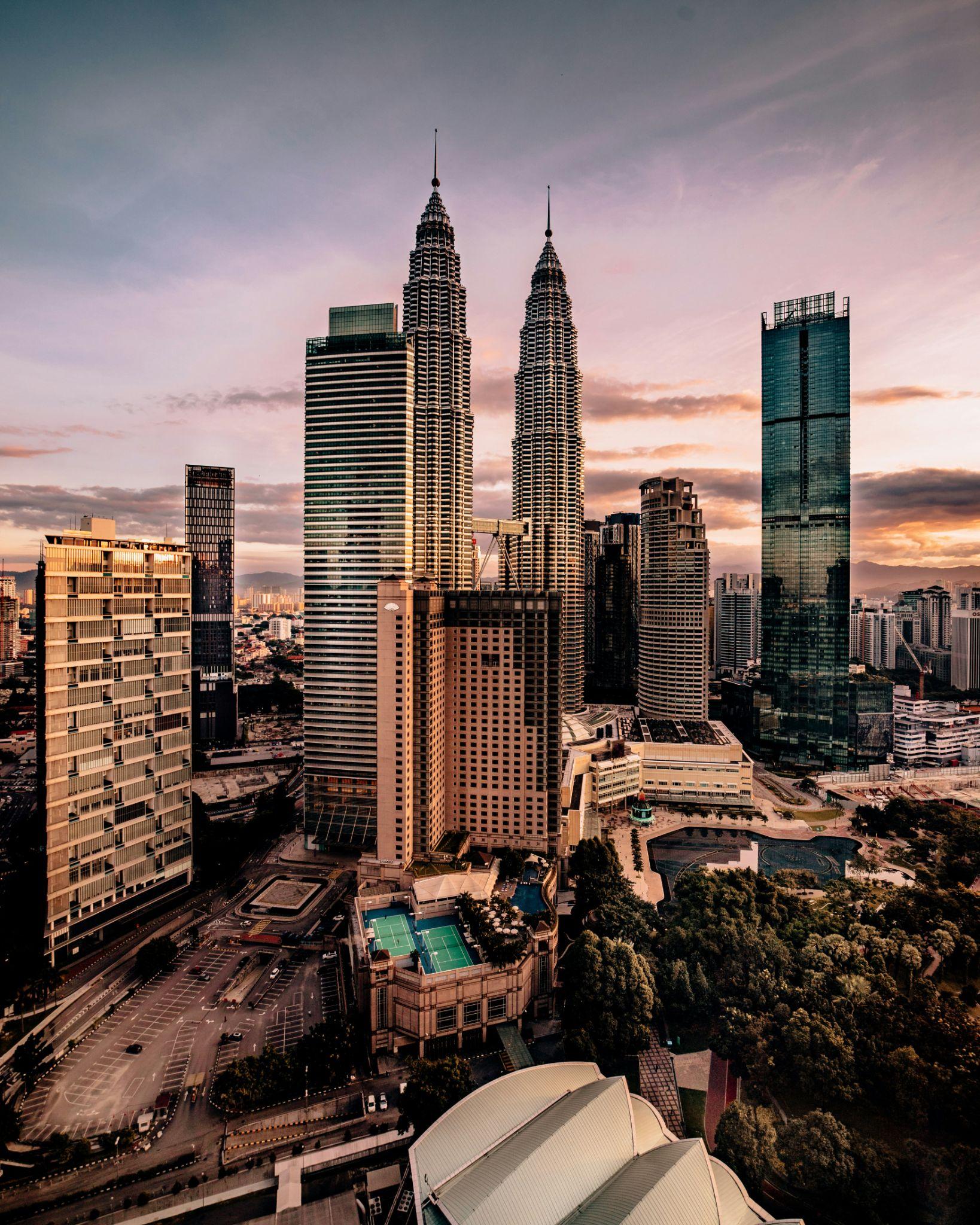
Kuala Lumpur city skyline at sunset

Cost of Living (General Overview)

Compared to major Canadian cities:

  • Urban rental costs are generally lower
  • Dining out is often more accessible
  • Transportation costs can be lower
  • Domestic support services more widely available

However, imported goods can be expensive and international school tuition is high.

Lifestyle choices determine real cost.
Popular Areas to Settle in Malaysia

A Practical Overview for Canadians

Malaysia offers a range of urban, coastal, and suburban environments. Most Canadian retirees and second-home residents choose well-established urban centres with strong infrastructure and healthcare access. Below is a high-level overview of commonly considered locations.

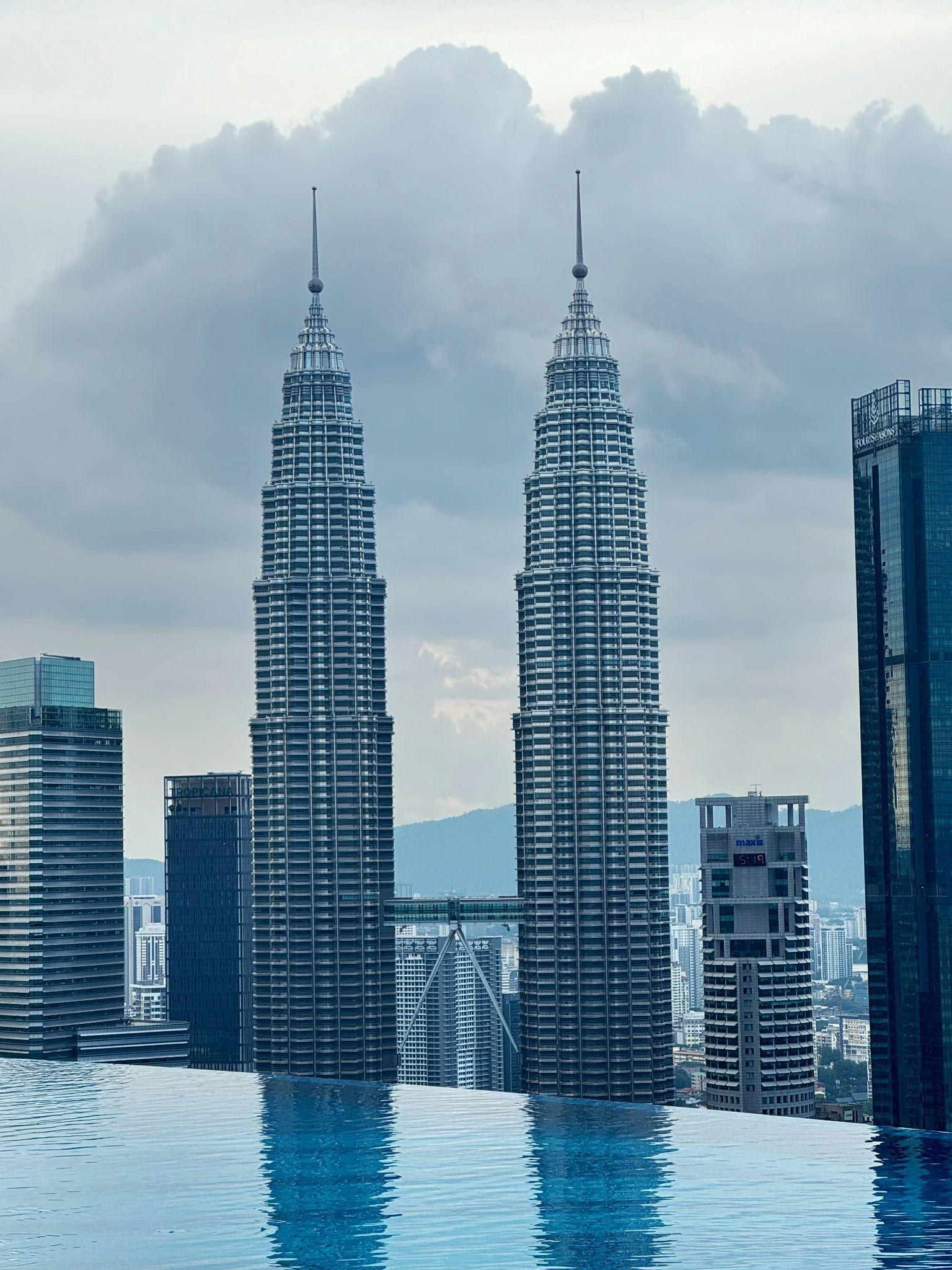
Kuala Lumpur Petronas Towers from rooftop infinity pool

Kuala Lumpur (KL)

Population: ~8 million (Greater KL metro area) Type: Major urban centre Lifestyle: High-rise condominium living, urban convenience

Step out for coffee in a city where towers of glass rise beside ancient temples, world-class malls sit minutes from hawker stalls, and the cost of it all would genuinely surprise most Canadians. KL is modern, international, and deeply alive — and it tends to be where most people start.

  • Modern high-rise condominiums
  • English widely spoken
  • International hospitals
  • Extensive shopping and dining
  • Established expatriate communities
  • Strong digital infrastructure
Penang heritage street scene, Malaysia

Penang (George Town Area)

Population: ~1.8 million (state population) Type: Island + mainland coastal region Lifestyle: Coastal, cultural, slower pace than KL

Penang is where mornings start with what many consider the world's best street food, and evenings end on a breezy seafront. A UNESCO-listed heritage city with a well-established expat and retiree community, strong food culture, and international hospitals — at a pace that many Canadians immediately fall in love with.

Dataran Merdeka, Kuala Lumpur colonial heritage street

Johor Bahru (Johor)

Population: ~1.7 million (Johor Bahru metro area) Type: Southern city bordering Singapore Lifestyle: Cross-border proximity

Johor Bahru sits literally across the causeway from Singapore — close enough to use Changi Airport, access Singapore's services, and maintain business ties, while living at a fraction of Singapore's cost. A fast-growing city with new condominium developments and strong infrastructure investment.

Putrajaya aerial view, Klang Valley

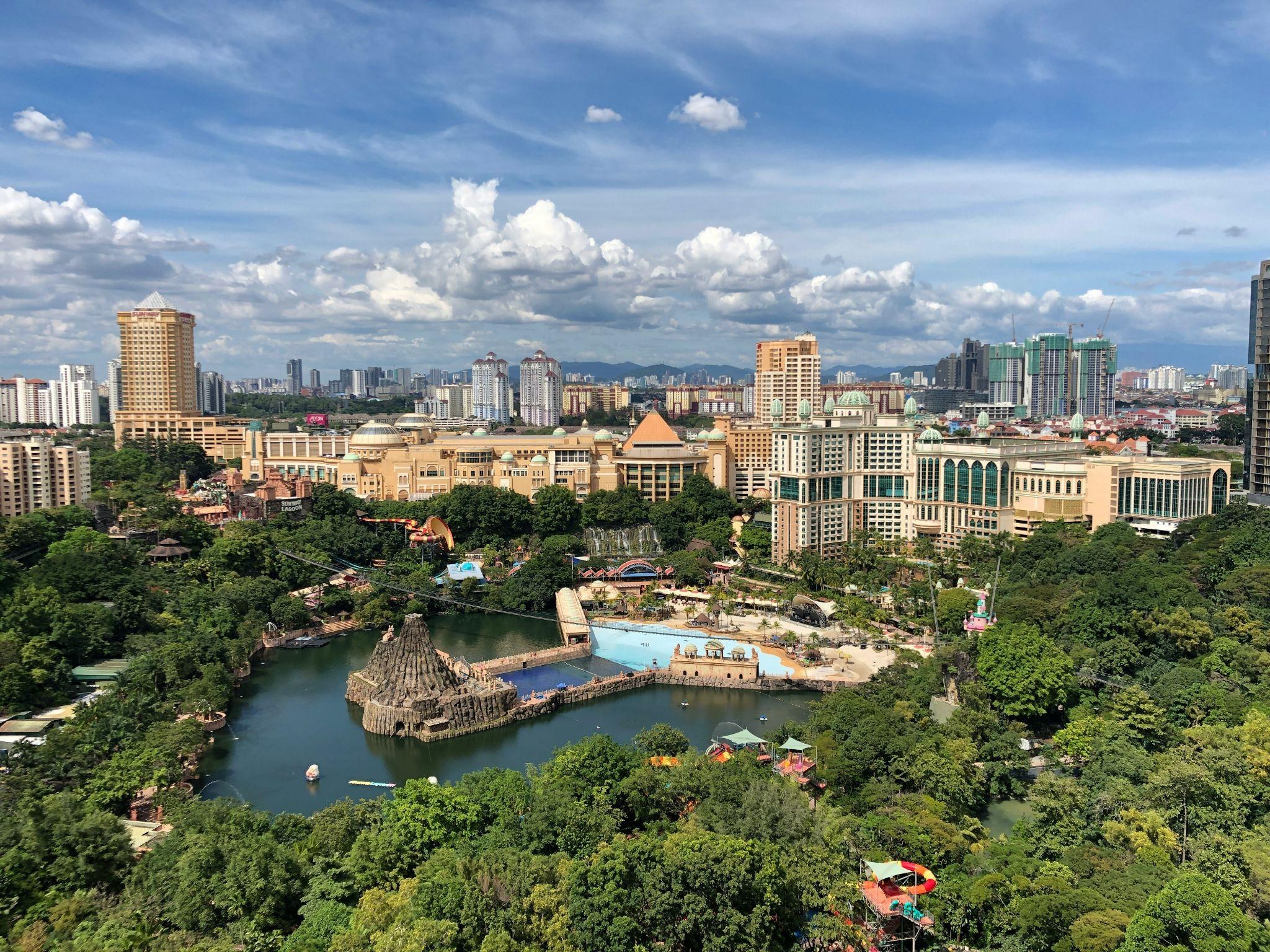
Klang Valley (Suburban Areas Outside KL)

Areas like Mont Kiara, Petaling Jaya, Subang Jaya, and Desa ParkCity offer a more residential feel — planned neighbourhoods, tree-lined streets, family-oriented communities — while staying within easy reach of KL's hospitals, malls, and international schools. Popular with families and professionals who want space without sacrificing access.

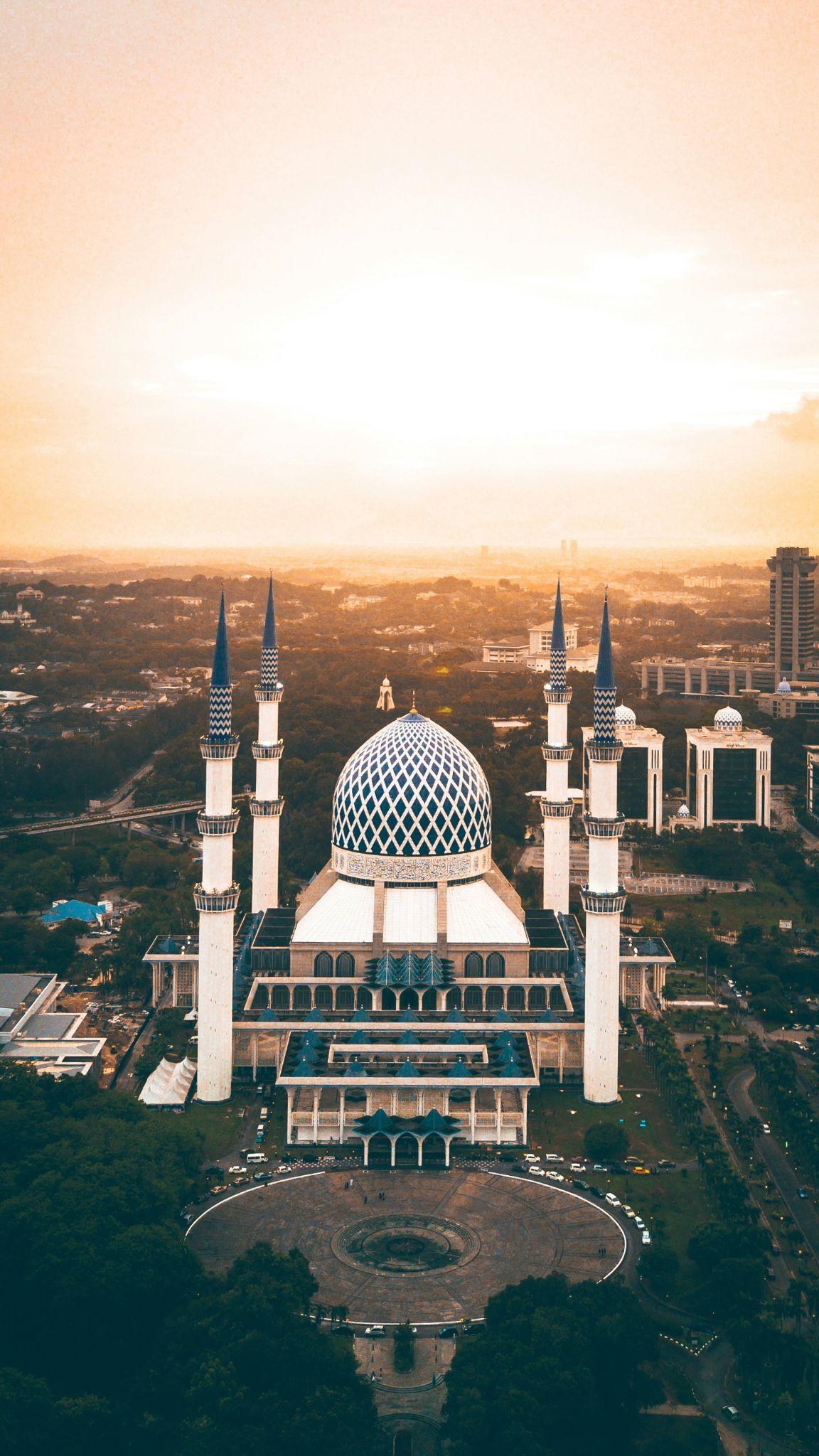
Shah Alam Blue Mosque aerial drone view at sunset

Other Areas Sometimes Considered

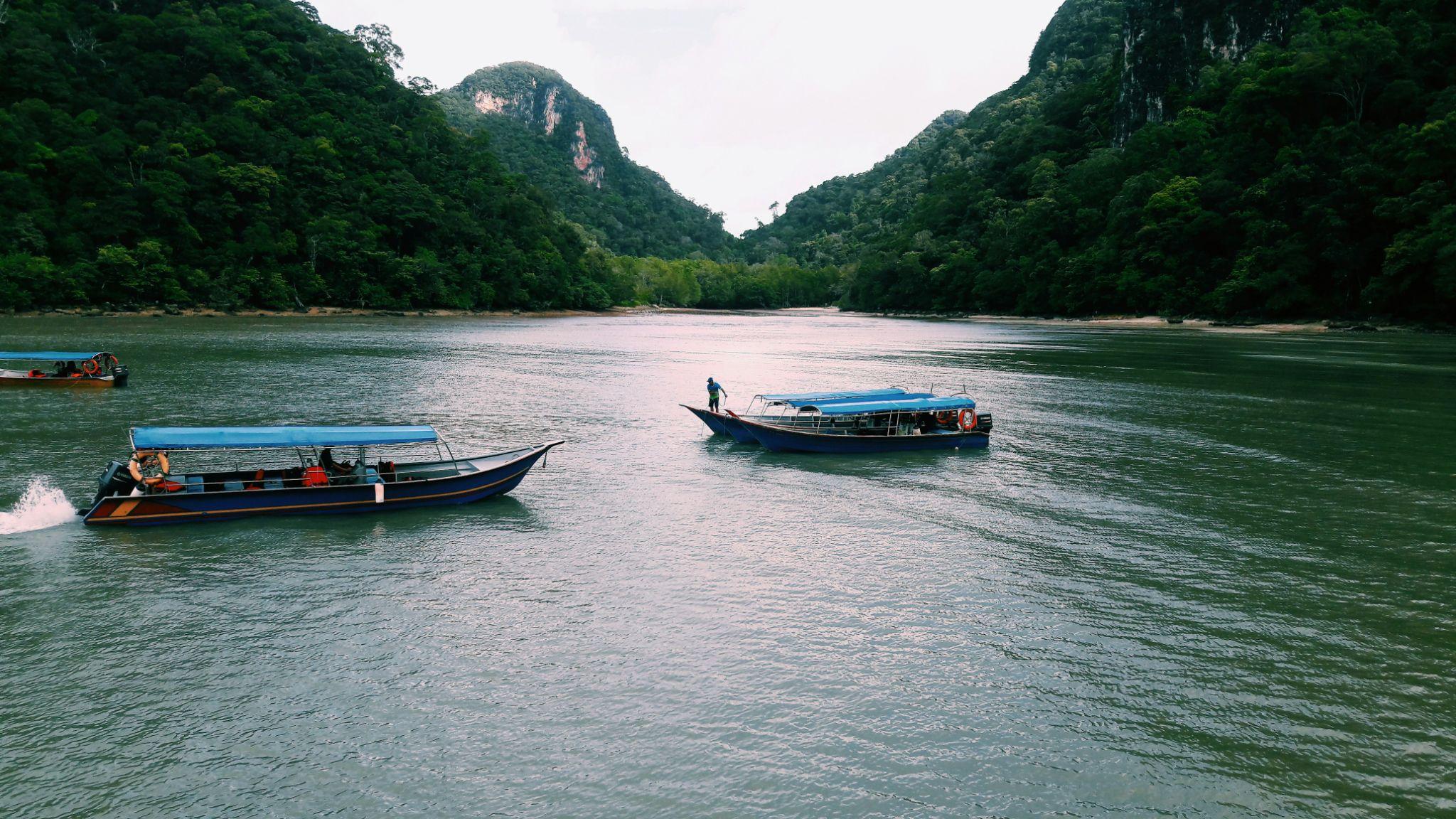
Langkawi river and limestone karst scenery
Langkawi

Island-based, quieter lifestyle, tourism-driven.

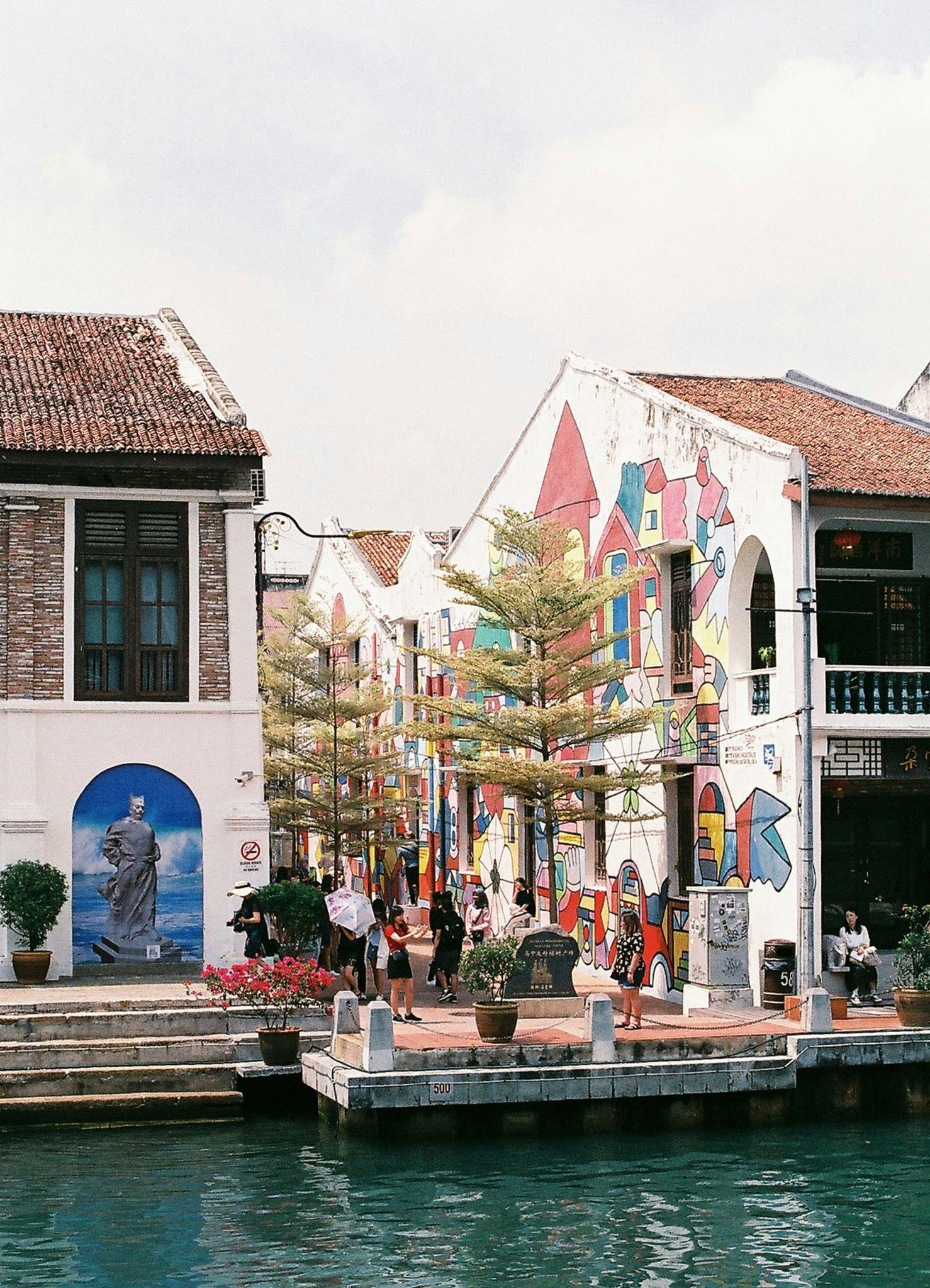
Malacca colorful heritage waterway, Melaka
Malacca (Melaka)

Historic coastal city, slower pace, smaller population.

These areas may appeal to niche preferences but are less common for first-time second-home residents compared to KL or Penang.

Kuala Lumpur skyline at dawn

How to Choose the Right Area

Area selection often depends on:

  • Proximity to private hospitals
  • Walkability vs car reliance
  • Condo vs landed home preference
  • Access to faith communities
  • Distance from airport
  • Community integration

The right area depends on your specific lifestyle, family, and priorities. We help you think it through.

Ready to Explore Malaysia?

Let's discuss which region and lifestyle fit you best.

Book No Obligation Consultation